

UPCOMING COMPLIANCE DATES & REGULATORY RISK WINDOWS
UPCOMING COMPLIANCE DATES & REGULATORY RISK WINDOWS
FEDERAL REGULATORY DRIVERS
This section summarizes active federal regulatory requirements and enforcement priorities that materially impact regulated operators during the 2026–2027 compliance planning period. The dates below reflect statutory deadlines, ongoing enforcement actions, and rule implementations that require advance operational readiness, documentation integrity, and verification planning.
FEDERAL COMPLIANCE DATES (2026-2027)
These timelines inform NCC’s readiness programs, assurance retainers, and inspection lifecycle oversight for enterprises, multi-unit organizations, and regulated entities. These apply to all operators in AL and GA, especially franchises, multi-units, and suppliers.
January 20, 2026
FSMA 204 Traceability Deadline
Impact:
FSMA Section 204 establishes enhanced traceability requirements for designated foods, including lot-level coding, supplier linkage, data retention, and rapid retrieval during regulatory requests.
Who This Affects:
Restaurants, commissaries, food manufacturers, processors, distributors, and supply-chain operators handling foods listed on the FDA’s Food Traceability List.
NCC Action Pathway:
NCC conducts traceability gap assessments, supplier data validation, documentation structuring, and staff data-entry readiness to support defensible FSMA 204 compliance.
APRIL 6, 2026
Produce Safety Rule: Pre-Harvest Agricultural Water Requirements
Impact:
The Produce Safety Rule’s agricultural water requirements begin applying to certain covered farms, requiring documented water system assessments, testing (where applicable), and corrective action protocols tied to pre-harvest use.
Who This Affects:
Covered produce farms and supply-chain partners sourcing covered produce from farms subject to Produce Safety Rule agricultural water provisions.
NCC Action Pathway:
NCC supports supplier compliance verification, documentation readiness, and records structuring to ensure defensible agricultural water compliance and audit-ready supplier files.
In Effect 2026–2027
Impact:
Updated nutrient thresholds determine whether products may lawfully use the “healthy” claim, requiring revised formulation analysis and label substantiation.
Who This Affects:
Food manufacturers, private-label operators, and retail food programs using nutritional claims.
NCC Action Pathway:
NCC performs labeling reviews, nutrient verification coordination, and documentation support to ensure claim defensibility under FDA standards.
“Healthy” Labeling Rule
Ongoing Enforcement 2026–2027
Impact:
Expanded enforcement measures increase accountability for poultry suppliers and downstream operators to verify pathogen control measures and sanitation effectiveness.
Who This Affects:
Poultry processors, distributors, and foodservice operators sourcing regulated products.
NCC Action Pathway:
NCC reviews supplier compliance documentation, sanitation SOP alignment, and verification records to reduce enforcement exposure.
USDA / FSIS Salmonella Reduction Strategy
Engagement scope, timing, and pricing are determined following a formal engagement review.
STATE ENFORCEMENT CYCLES
This section reflects recurring inspection patterns, enforcement behaviors, and operational risk windows observed across Alabama jurisdictions during the 2026–2027 compliance planning period. These cycles inform NCC’s readiness programs, assurance retainers, and inspection lifecycle oversight for regulated and multi-unit operators.
ALABAMA (2026-2027)
January–February 2026
Winter Infrastructure Failures and Emergency Closures
Impact:
Cold-weather conditions increase the incidence of hot water system failures, frozen lines, and infrastructure disruptions, frequently resulting in immediate closures or conditional operation orders.
Who This Affects:
Foodservice operators, commissaries, childcare facilities, and regulated facilities operating in older buildings or regions subject to freezing conditions.
NCC Action Pathway:
NCC conducts infrastructure-focused readiness checks, hot water compliance verification, and corrective action documentation to reduce closure risk and support rapid reopening.
March–April 2026
Post-Holiday and Pre-Season Inspection Surge
Impact:
Health departments increase routine inspection activity following winter slowdowns, with heightened scrutiny on sanitation, equipment condition, and staff practices.
Who This Affects:
Multi-unit operators, high-volume establishments, and facilities with deferred maintenance or staffing turnover.
NCC Action Pathway:
NCC performs reinspection readiness audits, documentation validation, and staff compliance reinforcement to stabilize inspection outcomes.
June–August 2026
Heat-Related Food Safety Violations
Impact:
High temperatures elevate risks related to temperature control, refrigeration performance, pest activity, and employee heat stress, increasing citation frequency.
Who This Affects:
Food manufacturing, foodservice, warehousing, and outdoor or high-heat operational environments.
NCC Action Pathway:
NCC evaluates temperature control systems, monitoring records, and corrective action protocols to mitigate seasonal risk exposure.
Ongoing Enforcement (2026–2027)
Repeat Violation Monitoring
Impact:
Facilities with prior violations are subject to follow-up inspections and escalated enforcement when corrective actions are not adequately documented or sustained.
Who This Affects:
Operators with prior inspection deficiencies or compliance histories requiring monitoring.
NCC Action Pathway:
NCC supports corrective action tracking, verification documentation, and compliance stabilization to prevent escalation.
STATE ENFORCEMENT CYCLES
Georgia (2026-2027)
This section outlines inspection pacing, enforcement concentration, and jurisdiction-specific risk patterns observed across Georgia, with particular emphasis on metro and high-growth counties during the 2026–2027 planning period.
February–March 2026
Metro-County Inspection Acceleration
Impact:
Backlogged inspections following year-end staffing constraints result in accelerated inspection cycles across metro counties, increasing the likelihood of repeat or closely spaced visits.
Who This Affects:
Multi-unit operators, high-volume establishments, and facilities operating in metropolitan jurisdictions.
NCC Action Pathway:
NCC conducts readiness audits and documentation reviews to prepare operators for clustered inspection activity.
Impact:
Menu changes, increased volume, and seasonal staffing introduce risk related to food handling, allergen control, and process consistency.
Who This Affects:
Foodservice operators, commissaries, and facilities undergoing seasonal operational shifts.
NCC Action Pathway:
NCC reviews operational changes, updates documentation, and reinforces compliance controls to align with inspection expectations.
April–June 2026
Seasonal Menu and Operational Changes
July–September 2026
Complaint-Driven and Follow-Up Inspections
Impact:
Higher customer traffic and employee turnover contribute to complaint-driven inspections, often accompanied by focused follow-up visits.
Who This Affects:
Public-facing operations and facilities with inconsistent training or supervision.
NCC Action Pathway:
NCC supports complaint response readiness, documentation reconstruction, and corrective action implementation.
Ongoing Enforcement (2026–2027)
Repeat and Pattern-Based Reviews
Impact:
Georgia jurisdictions increase scrutiny where inspection histories indicate recurring deficiencies or incomplete corrective actions.
Who This Affects:
Operators with prior citations or unresolved compliance trends.
NCC Action Pathway:
NCC provides ongoing assurance support, documentation governance, and inspection lifecycle oversight to reduce repeat findings.
OPERATIONAL RISK WINDOWS & READINESS INSIGHTS
The articles and insights below highlight common compliance failure points, enforcement outcomes, and operational risk patterns observed across regulated environments. These insights reflect conditions NCC routinely addresses through readiness programs, assurance retainers, and strategic compliance partnerships and are provided to support proactive planning, inspection preparedness, and executive decision-making.
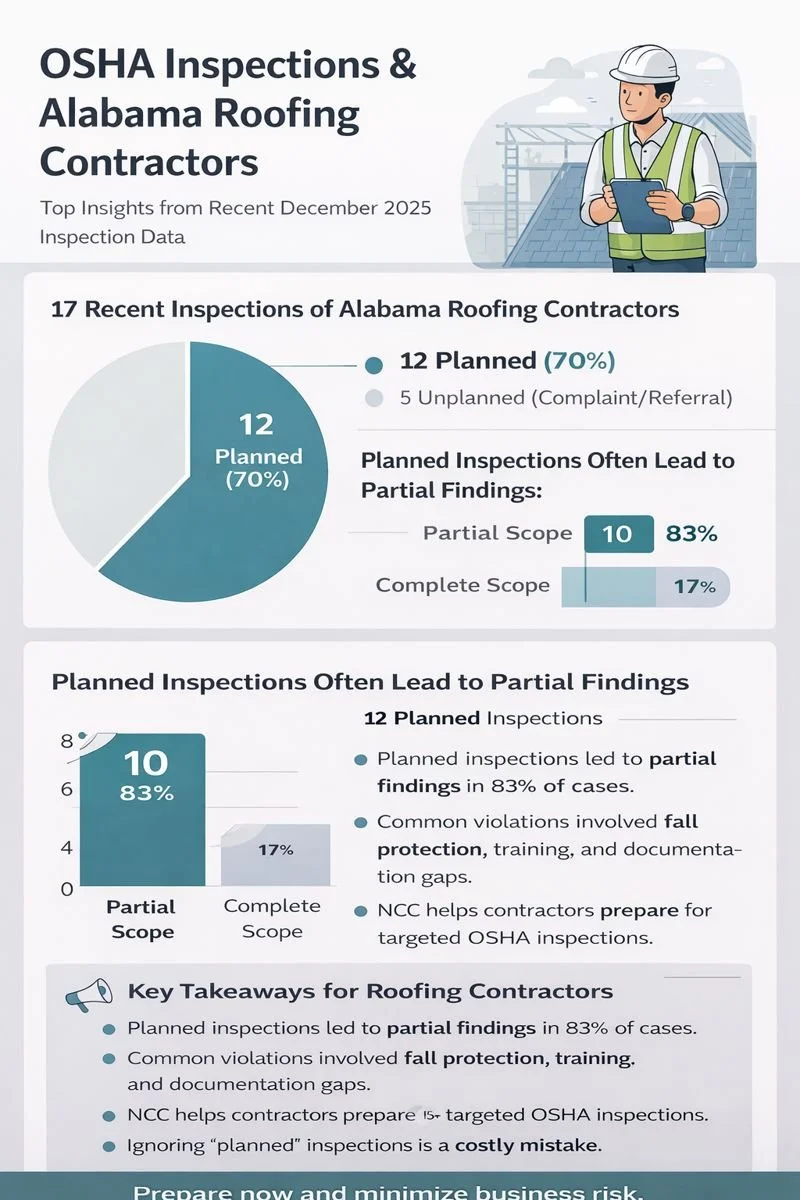
Top OSHA Violations Affecting Alabama Roofing Contractors
Recent OSHA inspection data reveals why Alabama roofing contractors continue to face violations even during planned inspections and where compliance gaps persist.
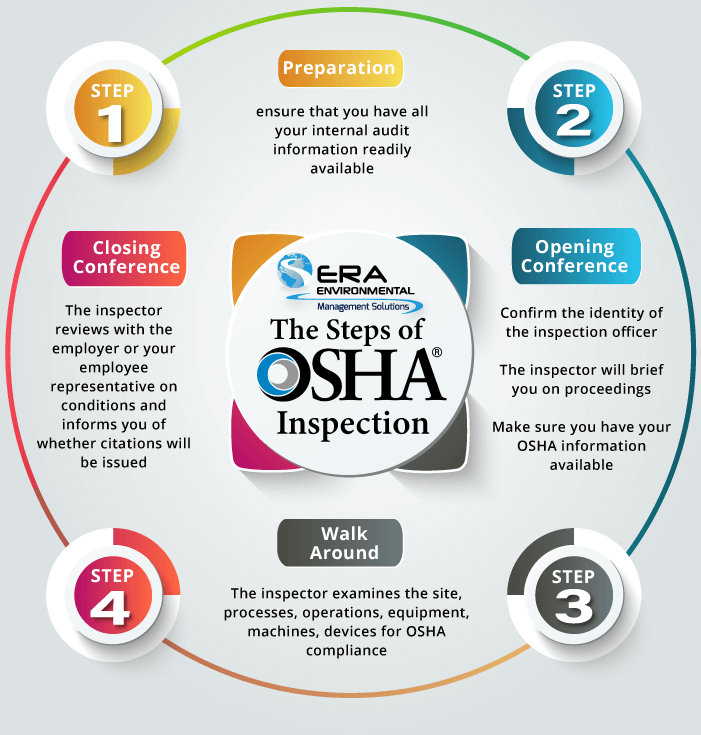
Why “Planned” OSHA Inspections Still Lead to Citations
Even with advance notice, planned OSHA inspections often uncover violations. Learn why preparation alone isn’t enough and what employers commonly miss.

What Happens After an OSHA Inspection?
After an OSHA inspection, employers may face citations, abatement deadlines, or follow-up inspections. Learn what happens next and how to respond correctly.
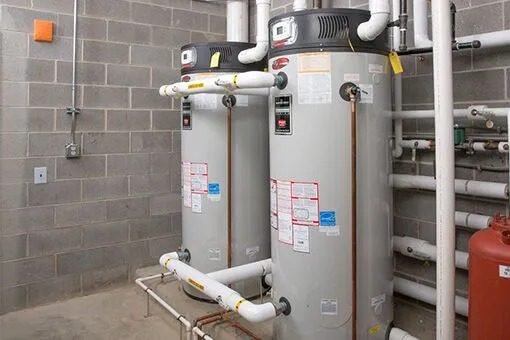
Why Alabama Restaurants Face More Winter Closures Than Any Other Season
Alabama experiences a noticeable rise in restaurant emergency closures every winter—especially between December and February. Hot-water failures, frozen plumbing, aging building infrastructure, and inconsistent preventative maintenance all collide right when guest volume spikes for the holidays. This article breaks down the real compliance risks behind Alabama’s winter closures, why ADPH ramps up enforcement in Q1, and how operators can stay inspection-ready before temperatures drop.

How to Prepare for ADPH’s Q1 Inspection Cycle (2026)
Every January through March, the Alabama Department of Public Health (ADPH) increases its volume of routine inspections, follow-ups, and rechecks especially for locations that ended Q4 with unresolved or repeated violations. Q1 is historically the strictest compliance window of the year, and the period where most operators either correct issues or fall behind. This guide highlights what you need to pay close attention to and where professional support becomes essential to avoid costly closures, repeat violations, or scored downgrades.
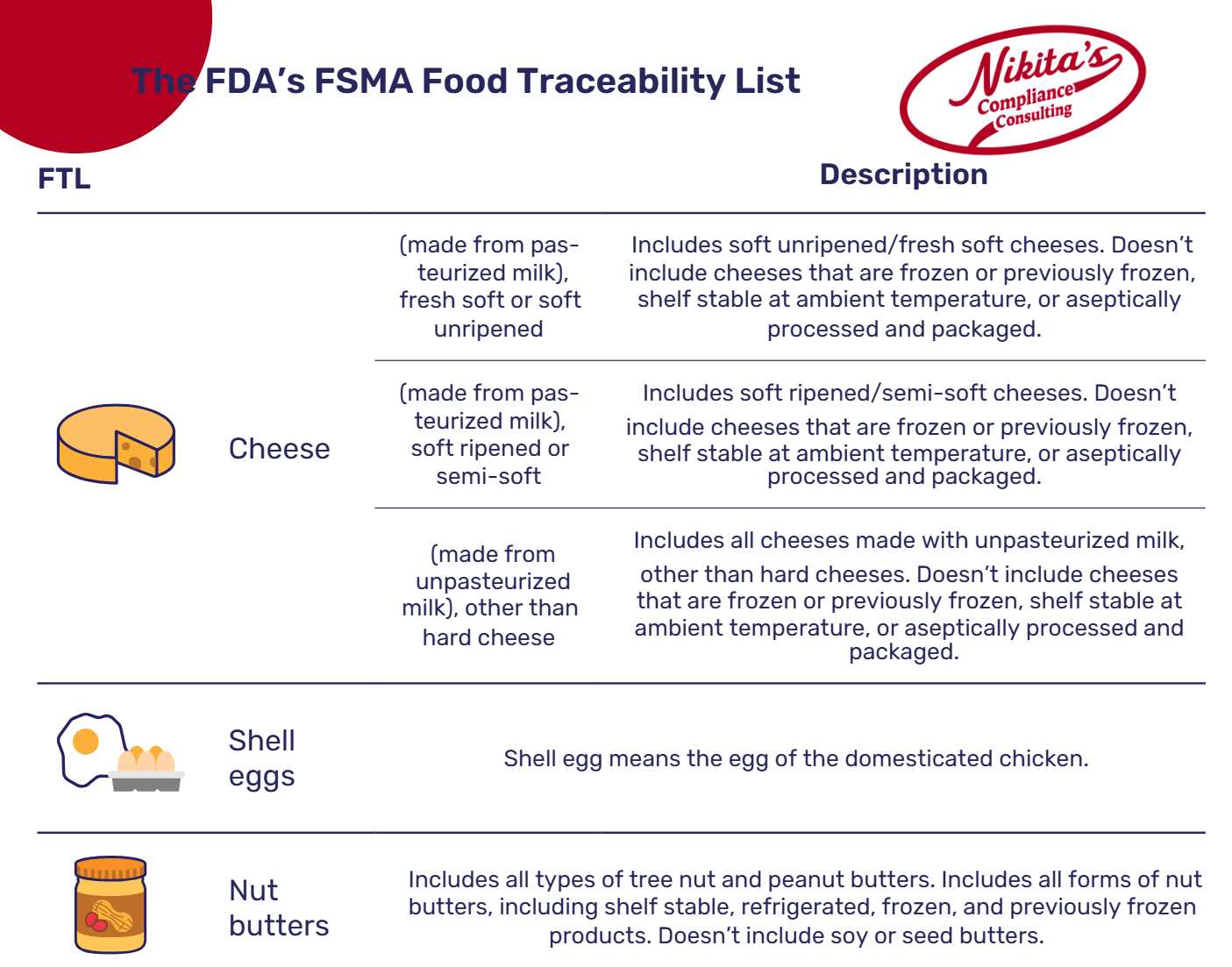
FSMA 204: What Every Operator Must Complete Before January 20, 2026
FDA’s FSMA 204 deadline is approaching fast, and operators who wait until the last minute often discover major gaps in traceability, record-keeping, and supplier documentation. FSMA 204 isn’t just a paperwork exercise — it requires operators to maintain specific data elements, keep real-time traceability records, and ensure every supplier is compliant before food even arrives on-site.

The Future of Food Safety Compliance:
The foodservice industry is entering a new era of regulatory pressure driven by federal traceability mandates, state-level inspection surges, new technology expectations, and rising customer safety demands. This article outlines the emerging compliance landscape for operators in Alabama and Georgia, explains what regulators are prioritizing, and highlights how proactive operators can protect their business from costly closures, violations, and operational disruptions.